Uncategorized

Targeted Food Assistance and Partial Cash Program for Inclusive Communities

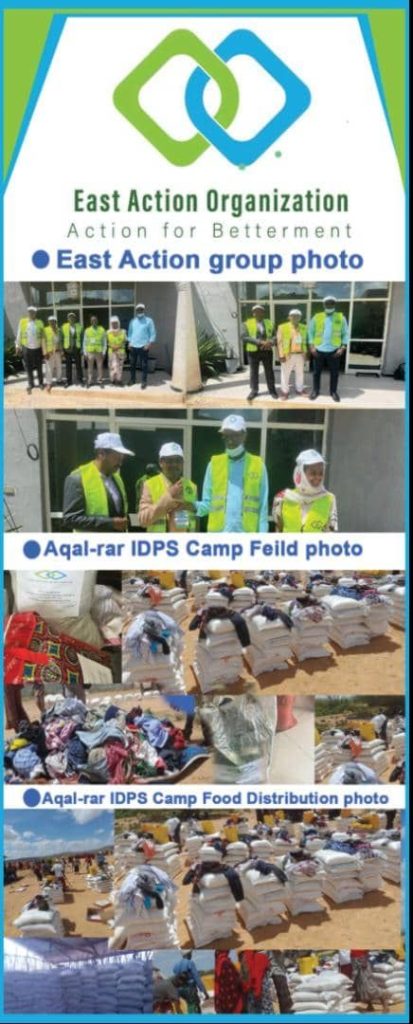
Targeted Food Assistance and Partial Cash Program for Inclusive Communities Introduction On Tuesday, August 27, 2024, the local organization East Action launched a targeted food assistance program designed to empower inclusive communities and provide support to 35 vulnerable individuals and their household members, including children. This initiative aimed to deliver vital food resources and partial cash assistance to these populations, who were selected from among the most vulnerable due to economic and other humanitarian challenges. Objectives The key objectives of this targeted food assistance program were: Empowering Inclusive Communities: To support and empower inclusive communities by providing access to essential food resources and partial cash assistance. Targeting the Most Vulnerable: To identify and assist the most vulnerable individuals and households within the community, focusing on those facing economic and other humanitarian issues. Ensuring Accessibility and Inclusivity: To ensure that the program’s benefits reach the intended beneficiaries, regardless of their disabilities or other challenges, promoting an inclusive approach. Program Details The total cost of this initiative was Ebirr=250,000 (two hundred fifty thousand), which was financed through EAO’s internal resources and member support. The program involved the following key components: Food Assistance: The program provided targeted food assistance to the 35 vulnerable individuals and their household members, ensuring they had access to vital food resources. Partial Cash Assistance: In addition to the food assistance, the program also offered partial cash assistance to the beneficiaries to help them address their other immediate needs. Each family received 25kg of porridge, 25kg of rice, and 1,500 Birr. Community Engagement: EAO worked closely with the local community to identify the most vulnerable individuals and households, ensuring the program reached those who needed it the most. Impact and Sustainability This targeted food assistance program had a significant impact on the inclusive communities it served, providing vital support to those who were facing economic and humanitarian challenges. The program’s focus on accessibility and inclusivity ensured that individuals with disabilities and other vulnerabilities were able to access and benefit from the assistance. To ensure the sustainability of this initiative, EAO will continue to monitor the program’s progress and explore opportunities for further expansion and collaboration with other stakeholders in the future. For better follow-up and communication, the selected beneficiaries can contact the program chairman, Mr. Shu’ay Sh Muhumed, at the phone number 0915905999 in kebele 10, Jigjiga City. Summary EAO, a local organization, launched a targeted food assistance program in Jigjiga City, Ethiopia, on August 27, 2024. The program aimed to empower inclusive communities, target the most vulnerable individuals and households, and ensure accessibility and inclusivity. The initiative provided food assistance and partial cash assistance to 35 vulnerable families, costing a total of Ebirr=250,000. The program had a significant impact on the beneficiaries and will continue to be monitored for further expansion and collaboration opportunities to ensure its sustainability. This photo depicts three women with severe disabilities, most of whom have lost their lower extremities. For further information please contact us Telephone numbers: +251 252 78 07 08//251901222224+251915330907+251975054143 Email: info@eastaction.org drnejatnejib@eastaction.org     Skype Name:  live:.cid.c1547d8d2e5b1f4a  Local Skype Number: (815) 570-5273 P.o.Box = 438 Fax: +251252780706 Website: https://eastaction.org/ Face B page: https://www.facebook.com/eastaction.org Email::addisababaliaison@eastaction.org Tel: +251115579668/0915741075

Targeted Food Assistance and Partial Cash Program for Inclusive Communities Read More »
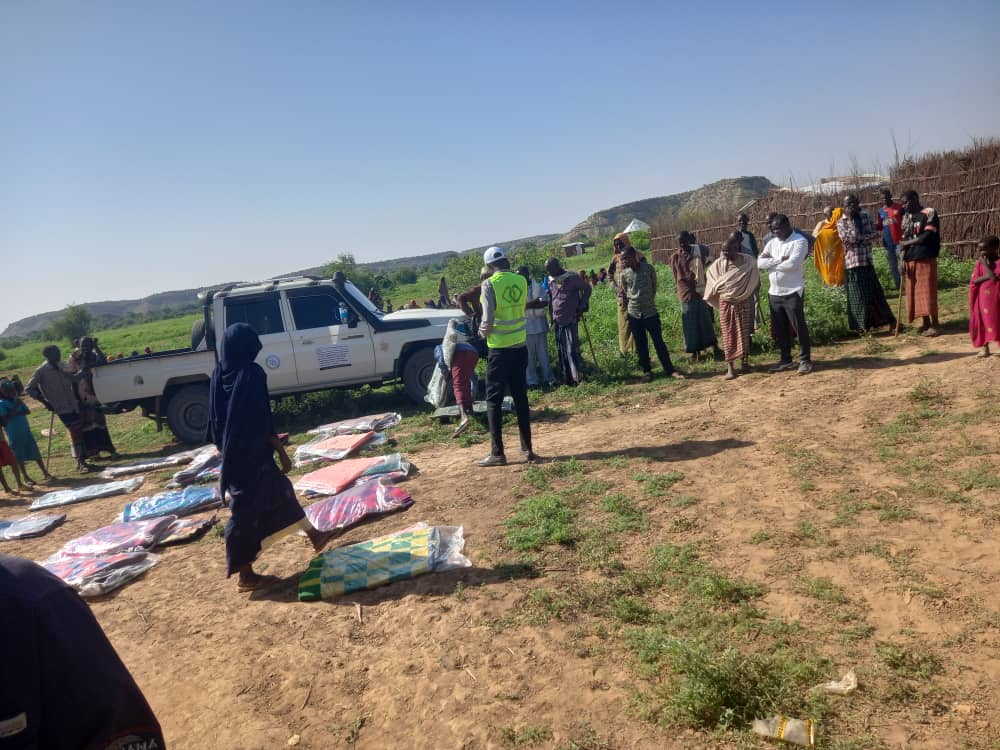
: Asal youth cooperative for honey production

Narrative Report Beneficiary name: Asal youth cooperative for honey production” The East Action Organization has provided honey production materials to the Asal Cooperative. 1. East Action Overview East Action Organization (EAO) is a legally registered non-governmental and non-profit organization established on March 16th, 2019, it holds legal recognition and registration under the Federal Democratic Republic of Ethiopia Authority for Civil Society Organizations (ACSO), with license number 6812 With a focus on key thematic areas, EAO actively intervenes in various sectors to address pressing issues and promote positive change. These areas include humanitarian assistance, response, and preparedness in the face of natural disasters; resilience and youth empowerment programs; conflict resolution and peace building initiatives; Agriculture; livelihoods and food security; water, sanitation, and hygiene; education in emergency situations; health and nutrition; and child protection and gender equality. Through its diverse range of interventions, EAO aims to empower communities, uplift marginalized individuals, foster sustainable practices, and contribute to the overall well-being and development of the regions it serves. By leveraging its legal status, expertise, and partnerships, EAO is committed to making a meaningful impact and creating lasting change in the Somali regions of Ethiopia. 2. Narrative Report The East Action Organization has provided honey production materials to the Asal Cooperative. This significant move to bolster local honey production, the East Action Organization has extended its support to the Asal Cooperative. This initiative aims to enhance the cooperative’s honey production capabilities, ensuring sustainable development and economic growth in the region. Details of the Support The East Action Organization has provided the Asal Cooperative with essential honey production materials, including: 100 Bee Hives: These hives will provide a structured and efficient environment for bee colonies, facilitating increased honey production. 3 Multi-Sweet Electric Honey Extraction Machines: These advanced machines will streamline the honey extraction process, ensuring higher efficiency and quality of the honey produced. We handed over these material to Mr. Ardo cali jibriil the manager of the Asal Cooperative. The handover took place at the Fafan River in Dagahle, marking a significant milestone in the cooperative’s journey towards enhanced honey production. Impact on the Community The support from the East Action Organization is expected to have a profound impact on the local community. The new equipment will: Increase Honey Production: With the addition of 100 bee hives and modern extraction machines, the cooperative can significantly boost its honey output. Improve Quality: The electric honey extraction machines ensure that the honey is extracted efficiently and hygienically, leading to a higher quality product. Economic Growth: The increased production and improved quality of honey will open up new market opportunities, contributing to the economic growth of the region. Sustainable Development: By supporting local honey production, the initiative promotes sustainable agricultural practices and environmental conservation. Beneficiary Contact Information For further details, please contact the beneficiary for your confirmation if it is necessary Telephone: 0915077062  Conclusion The East Action Organization’s support to the Asal Cooperative is a commendable effort towards enhancing local honey production. This initiative not only boosts the cooperative’s capabilities but also contributes to the overall economic and sustainable development of the region. Items: Quantity Unit price(E-Birr) Total price Bee Hives 100 3000 300,000 Multi-Sweet Electric Honey Extraction Machines: 3 17,100 51,300 Date: July 2024 Fassil Production site East Action Organization Contact details and legal Address Line: 1Physical address Ethiopia, Somali region, Jigjiga city Head office jigjiga city Administration Behind Main Road Next to Supreme Court head office building Zone: 2 Kebele: 10 House Number::01270 Telephone numbers: +251 252 78 07 08//251901222224+251915330907+251975054143 Email: info@eastaction.org Skype Name:  live:.cid.c1547d8d2e5b1f4a  Local Skype Number: (815) 570-5273 P.o.Box = 438 Fax: +251252780706 Website: https://eastaction.org/ Face B page: https://www.facebook.com/eastaction.org Line: 2 physical Address Addis Ababa City Administration Zone: Bole kifle katama district.woreda:01 House number: new Email::addisababaliaison@eastaction.org Tel: +251115579668/0915741075 Personal contact Address 1. Dr Nejat Nejib Email: drnejatnejib@eastaction.org    Title: Executive Director  Tell: +251975054143 2. Siraj Aden Title: deputy Executive director Tell: +251915330907/+251901222224  Email:  sirajaden@eastaction.org

: Asal youth cooperative for honey production Read More »

Digital Literacy: Empowering Women with Knowledge

Jigjiga, Somali region, Ethiopia Address. Physical address Somali regional state Main office jigjiga city administration behind Jigjiga Main Road next  to supreme court head office building Telephone numbers: +251 252 78 07 08/0915330907/0901222224/0975054143 Email: info@eastaction.org P.o.Box = 438 Fax: +251252780706 Website: https://eastaction.org/ Face B page: east Action.org  Addis Ababa liaison Office coordination Email:addisababaliaison@eastaction.org/ Tel: +251115579668/0915741075 East Action Comprehensive Report Our program, titled “Digital Literacy: Empowering Women with Knowledge,” has made significant strides in bridging the gender digital divide and promoting gender equality and women’s economic empowerment. Problem Statement: The gender digital divide has a profound impact on gender equality and women’s economic empowerment in our context. Women, especially those from marginalized communities, face significant barriers in accessing and utilizing digital technologies. This exclusion is often due to various factors such as limited access to technology, lack of digital skills, and social norms that perpetuate gender inequalities. Certain women and population groups are more excluded than others due to intersecting factors such as socioeconomic status, geographic location, and cultural norms. Women from rural areas, low-income backgrounds, and minority communities face additional challenges in accessing digital resources and opportunities. These barriers further exacerbate existing gender inequalities and hinder women’s ability to participate fully in the digital world. Social norms play a crucial role in women’s digital inclusion. Traditional gender roles and stereotypes often limit women’s access to education and technology. Cultural expectations and biases can discourage women from pursuing digital literacy, as it may be perceived as a male-dominated domain. These social norms create barriers that restrict women’s agency and hinder their ability to harness the benefits of digital technologies. Program Success: Our program has been successful in addressing these challenges and empowering women through digital literacy. We have facilitated access to online educational resources for over 120 women, providing them with the tools and knowledge to navigate the digital landscape effectively. Through comprehensive training in basic computer skills, internet usage, and online communication, we have empowered over 105 women to become digitally literate. The impact of our program is evident in the enhanced economic opportunities for women. More than 55% of the trained women have started their own online businesses, leveraging their newfound digital skills to generate income and improve their livelihoods. These women have demonstrated remarkable growth and resilience, showcasing the transformative power of digital literacy. Recommendations for Future Programs: Building upon the success of our program, we recommend the following strategies to further promote digital literacy and women’s empowerment: Strengthen partnerships: Collaborate with local organizations, government agencies, and private sector entities to expand the reach and impact of digital literacy programs. By pooling resources and expertise, we can create a more comprehensive and sustainable ecosystem for women’s empowerment. Tailor programs to specific needs: Recognize the diverse needs and challenges faced by different groups of women. Develop tailored programs that address the specific barriers and provide targeted support to marginalized communities, including rural women, low-income women, and women from minority backgrounds. Promote mentorship and peer support: Establish mentorship programs that connect digitally literate women with those who are just starting their journey. Peer support networks can provide guidance, encouragement, and a sense of community, fostering long-term engagement and success. Advocate for policy changes: Advocate for policies that promote gender equality in digital access and education. Encourage governments to invest in infrastructure, provide affordable internet access, and integrate digital literacy into formal education systems. Monitor and evaluate impact: Continuously monitor and evaluate the impact of digital literacy programs to ensure their effectiveness and identify areas for improvement. Collect data on the outcomes and success stories of women who have benefited from the program to showcase the tangible benefits of digital literacy. Conclusion: Our program has made significant strides in empowering women through digital literacy, bridging the gender digital divide, and promoting gender equality. By providing women with the necessary skills and resources, we have enabled them to navigate the digital world confidently and seize economic opportunities. However, there is still much work to be done to ensure that all women have equal access to digital technologies and the benefits they bring. With continued support and investment, we can create a future where digital literacy is a catalyst for women’s empowerment and socioeconomic advancement.

Digital Literacy: Empowering Women with Knowledge Read More »

East Action over all summary reports

EAO’s impactful initiatives in Qoloji, Somali Region, Ethiopia, have garnered recognition from both the local intellectual community and government officials. Leveraging internal resources and private donations, EAO has successfully implemented several critical projects: 1. Core Non-Food Items: EAO provided essential non-food items to 300 households in Qoloji. 2. Food Assistance: The organization distributed food items to the same 300 households. 3. Dignity Kits: EAO ensured the provision of dignity kits for the benefit of the community. 4. Cash Assistance: 15 households received cash assistance. 5. Education Support: EAO equipped 800 students with educational materials, empowering them to pursue learning. 6. Iftar Food for Ramadan: During Ramadan, EAO extended support to 300 beneficiary households by providing Iftar meals. 7. WASH (Water, Sanitation, and Hygiene) Materials: EAO facilitated access to WASH materials for 150 households, promoting better health and hygiene. These commendable efforts exemplify EAO’s commitment to improving the lives of those displaced in Qoloji. As you refine this report, consider emphasizing the positive impact on the community and the sustainable practices employed by EAO. Such endeavors demonstrate the collective commitment to creating a durable and thriving environment for both internally displaced persons (IDPs) and host communities in the region. 8.Community Healing Dialogues Achievement Facilitating Community Healing Dialogues has been instrumental in providing a safe space for individuals to share their experiences, express emotions, and find common ground. These dialogues serve as a powerful tool for healing, reconciliation, and community cohesion. 9.Workshops on Peace Building and Leadership Achievement Conducting workshops on peace building and leadership represents a significant step toward fostering understanding, conflict resolution, and effective leadership within communities. These workshops empower participants with knowledge and skills essential for positive change. 10.Refugee Camp:Mirqaan refugee camp,Balicad and Hegaalle EAO has  Provided food items (rice, wheat flour, cooking oil, and dates) to  vulnerable families 11.On jon trainng for 21 EAO Staffs 12: Support given for jigjiga street children and street families

East Action over all summary reports Read More »

Narrative Report: Community Healing, Peace Building, and Conflict Resolution

Narrative Report: Community Healing, Peace Building, and Conflict Resolution 1.Introduction and conflicts key highlights 2.East Action Overview 3.  Project  Activities/Outcome/Success 4.Conclusion 1.Introduction the Somali Region is located in the eastern part of Ethiopia with an estimated population of six million the main sources of income for households are livestock, crop, firewood and charcoal sales, petty trade and remittances from the Diasporas. It is predominantly inhabited by Muslim pastoralists (85 per cent). Somali region is one of the government’s four Developing Regional States (DRS) having social indicators significantly below the national averages. The region is prone to frequent emergencies drought, flash floods, locust infestations, disease outbreaks and intercommoned conflict. Most families still struggle to find water for themselves and their livestock.Somali region hosts the highest number of IDPs primarily displaced by drought nationwide and refugees from somalia. Living Standards and Livelihoods The Somali Region is among the very poorest regions in Ethiopia. Reliable data on living standards is extremely difficult to come by, but a recent Central Statistical Agency report provides health data that is indicative of the extent of poverty. For example, 85.6 per cent of children in Somali Region suffer from anemia and only 7.4 per cent of pregnant mothers receive antenatal care from a health professional.8   Literacy in the region was estimated at 26 per cent in 2004,9 and Devereux estimates rural literacy at 13 per cent10 (compared to roughly 43 per cent nationwide). Less than 3 per cent of the population gets drinking water from their own tap and less than 7 per cent gets water from a protected well or spring.11 having poor roads outside the regional capital of Jijiga and roads throughout region are in deplorable condition. Educational opportunities are extremely limited.12 Informal estimates are that roughly 15 per cent of youth attend school (the government’s 2004 estimate is 21 per cent for the region13), the majority of them in urban areas or settled rural communities. Islamic Koranic schools are more numerous than secular schools, with most children attending a Koranic school before they attend secular school, if they do so at all. Several interviewees said that the idea and importance of education had not really taken hold in the region until the past decade or so. But in urban areas and settled communities the importance of education has strongly taken hold, as many interviewees professed a desire to see their children receive the education they could not enjoy, which contributes to the heightened expectations of government. the individuals and communities are extremely dependent on rainfall. There are two primary rainy seasons throughout most of the region, the gu (long rainy season) from March to May, and the dayr (short rainy season) from October to December. 2.East Action Overview 2.2./) EAO is registered   under the (F.D.R.E) Authority for civil society Organization (ACSO) 2.3.) EAO Registered with registration number 6812 and proclamation No 1113/ 2019 2.4.) EAO regional Attorney general and prosecution, documentation department in 2019 with registration number XXGC/35/11 2.5.) Under this legal aspects the EAO can operate national and regional Humanitarian Assistance, Response and Preparedness: Emergency response and natural disaster, resilience and Youth empowerment programs, Conflict resolution and peace building.  Environmental protection, Livelihoods and Food Security: Empowering communities through income-generating activities, agricultural development, and market access and cross border initiatives. Water, Sanitation and Hygiene: Improving access to clean water and sanitation facilities, promoting hygiene practices, Education in Emergency, Health and Nutrition, child protection and Gender Equality   to end violence against marginalized women and girls as well as youth progroams In pursuit of fostering peace, reconciliation, and community well-being, our organization, Pahra, has undertaken a multifaceted approach. This narrative report delves into three core activities: Community Healing Dialogues, Workshops on Peace Building and Leadership, and Long-Term Conflict Resolution and Peace Building. These initiatives collectively contribute to our mission of promoting human rights, preventing violations, and creating stronger bonds within communities. 3. 1. Project  Activities/Outcome/Success In pursuit of fostering peace, reconciliation, and community well-being, our organization, Pahra, has undertaken a multifaceted approach. This narrative report delves into three core activities: Community Healing Dialogues, Workshops on Peace Building and Leadership, and Long-Term Conflict Resolution and Peace Building. These initiatives collectively contribute to our mission of promoting human rights, preventing violations, and creating stronger bonds within communities. 3.2. Community Healing Dialogues Achievement Facilitating Community Healing Dialogues has been instrumental in providing a safe space for individuals to share their experiences, express emotions, and find common ground. These dialogues serve as a powerful tool for healing, reconciliation, and community cohesion. Mandate Our commitment to community healing dialogues aligns seamlessly with our mission. By addressing trauma, fostering empathy, and promoting open dialogue, we actively contribute to peacebuilding and social cohesion. Through these dialogues, we create an environment where wounds can be acknowledged, and healing can begin. 3.3. Workshops on Peace Building and Leadership Achievement Conducting workshops on peace building and leadership represents a significant step toward fostering understanding, conflict resolution, and effective leadership within communities. These workshops empower participants with knowledge and skills essential for positive change. Project Outcome/Success Participants: Fifty beneficiaries engaged in our workshops. Knowledge and Skills: Participants gained insights into peacebuilding strategies, conflict management techniques, and effective leadership practices. Empowerment: Armed with this knowledge, they are now better equipped to contribute to positive transformation within their communities. 3.4. Long-Term Conflict Resolution and Peace Building Achievement Our commitment extends beyond short-term solutions. We recognize that sustainable peace requires long-term efforts. Therefore, we focus on conflict resolution and peace building over extended periods. Approach Holistic Perspective: We adopt a socio-ecological model, recognizing that peacebuilding involves addressing structural, institutional, and individual factors. Overcoming Challenges: Despite poor governance systems, mistrust, and poverty, we persistently work toward fostering peace. Interpersonal Relationships: We emphasize building trust, reducing violence, and promoting understanding among community members. 4.Conclusion As we move forward, we remain dedicated to our mission. Our achievements in community healing, peace workshops, and long-term conflict resolution demonstrate our commitment to creating a more peaceful and cohesive world. For new Civil Society Organizations (CSOs) aspiring to work in this field, we encourage collaboration,

Narrative Report: Community Healing, Peace Building, and Conflict Resolution Read More »

East Action’s Support on beneficiaries’feedback in Direy and Sigadere kebeles

Full Name of the Organization: EAST ACTION ORGANIZATIONAcronym (EAO)Physical Address: behind the Supreme court main buildingCity: JigjigaTell:+251 252 78 07 08/0901222224 /Fax +251252780706Email:info@eastaction.orgp.o.box:438Website:eastaction.orgDate of the beneficiaries’ feedback 12/12/2023Title: beneficiaries’ satisfaction for East Action’s SupportLocation: Direy and Sigadere @East Emay woredaOverview BackgroundEast Action’s Support on beneficiaries’feedback in Direy and Sigadere kebelesEast Emay woreda was conducted on December 15/2023Heavy rains from October to December 2023 caused significant damagein Direy and Sigadere villages, displacing 22,997 households.East Action a local organization provided various non-food items tosupport these flood displaced families. Beneath the vast Ethiopian sky,in the villages of Direy and Sigadere, a different kind of rain fell.the form of essential items, courtesy of the East Action organization.These seemingly simple gifts – plastic sheets, blankets, cooking pots,mats, and jerry cans – became threads woven of resilience for 300families, transforming lives in unexpected ways. This is how the peopleliving in Direy and sigadere village responded in summaryImpact of East Action’s Support:To understand the beneficiaries’ satisfaction, let’s delve deeper intospecific cases:Dahabo CaliTaliye: a single mother of three child “The plastic sheetssaved us from getting drenched during the night. Now, my children cansleep peacefully without worrying about the leaky roof.”She added that the previous night’s rain a chilling reminder of theirvulnerability. Now, my children sleep soundly, shielded from theelements, a comfort that brings peace to her worried heart.Madar Fikir taleeh: “The blankets kept us warm during the chillynights. My elderly mother is especially grateful for the comfort.”Nimco Ibrahim macalin “The cooking pots and jerry cans have made iteasier for us to prepare and store food and water. We no longer haveto struggle with makeshift arrangements.”Juusto Abdullahi xuseen: we have had nothing before now I have toThank to EAO, we didn’t have a place sleep ,plastic sheet to preventthe rain,jerry can take water as well as material for cooking foodsNooco mahamed warsame: She is a mother with 5 children and shesaid that we have been sitting for a long time with frost and It’s beencold and raining daiy with leaving heavy floodthat can take childrenwith no shelter no blanket no other material now we are oki afterreceiving ypour support thanks again and againMuhumed Digow: his weathered face etched with the stories of a hardlife, clutched the warmth of the blanket close. No longer forced toshiver through the biting nights, he can finally enjoy a restful sleep, hisweary bones finding solace in the newfound comfort using blanket hereceived from East ActionOther beneficiaries: Similar sentiments were expressed by otherbeneficiaries, highlighting the utility and impact of the provided items.Beyond Basic Needs:It’s important to recognize that east action’ssupport extends beyondjust meeting basic needs. The distribution:Restored sense of dignity: Having access to proper shelter, warmth, andcooking utensils allowed families to regain some control over their livesand maintain basic hygiene.Promoted community spirit: The collective effort of receiving anddistributing aid fostered a sense of unity and collaboration among thedisplaced families.Offered hope for the future: The support provided a temporary safetynet, allowing families to focus on rebuilding their lives and livelihoods.Further Considerations:Long-term support: While immediate needs were addressed, theremight be a need for continued support in areas like livelihoodrestoration, healthcare, and education.Sustainability: Exploring local solutions and income-generatingopportunities can empower communities to become more resilient inthe face of future challenges.Community involvement: Including beneficiaries in the decision-makingprocess can ensure that aid is tailored to their specific needs andcontext.Interview challenges-communication barriers due to language-estimated 50% of these people cannot speak understandable Somalilanguage which make some limitation for having more people beyondthis-social phobia special the femalesConclusion:East Action’s support in Direy and Sigadere has made a significantpositive impact on the lives of displaced families. By providing essentialnon-food items, they not only addressed immediate needs but alsorestored dignity, fostered community spirit, and offered hope for thefuture. Continued support, coupled with long-term solutions andcommunity involvement, can further empower these families to rebuildtheir lives and become more resilient.Remember, these are just a few examples, and there are likely manymore stories of how East Action’s support has touched the lives ofthose affected by the floods. By amplifying these voices and continuingto offer support, we can work together to ensure that thesecommunities recover and thrive.

East Action’s Support on beneficiaries’feedback in Direy and Sigadere kebeles Read More »

IMG-20231207-WA0042

Provision of partial/ Core Non-Food Items (NFI) to Flood Displaced people

Provision of partial/ Core Non-Food Items (NFI) to Flood Displaced peopleLocation: Direy and Sigadere kebele @East Emay woreda in shebele zoneImplementing Agency: East Action organizationTarget households: 300hhsSource of fund: Internal fundTitle: NFI Emergency Distribution field Report, December 9/ 2023

Provision of partial/ Core Non-Food Items (NFI) to Flood Displaced people Read More »

Unified Narrative Report and key Achievement

Title: Unified Narrative Report and key Achievement It highlights the key achievements  target communities, and impact of EAO’s interventions. You can further tailor this report by adding specific details, figures, or quotes from relevant sources. Ethiopia is the third largest refugee hosting country in Africa, home to over 954K refugees and asylum seekers—mainly from South Sudan, Somalia and Eritrea. Following the recent outbreak of armed conflict in Sudan (April 2023) and Lascanood Somalia (February 2023), Ethiopia is receiving thousands of forcibly displaced people at several points of entry. UNHCR and the Government of Ethiopia through the Refugees and Returnees Service (RRS), in partnership with regional authorities, other UN agencies and NGOs are working to provide safe asylum access, documentation, protection and solutions to those who need humanitarian support. The majority lives in 24 refugee camps established across five regional states. Over 70,000 others also reside in the capital Addis Ababa as urban refugees. 47% of the refugees are women and girls, while 59% are children. In addition to this According to national displacement report As of June 2023, 4,385,789 IDPs and 872,483 IDP households were internally displaced across 3,393 assessed, accessible sites in Ethiopia. Somali region hosts the highest number of IDPs primarily displaced by drought nationwide  (542,807 individuals or 66.94% of national drought caseload) With 665 site  and No. of IDP individuals  1,321,684 .% of IDP individuals  is 30.14% mainly displaced by drought  and conflicts this is the highest figure in Ethiopia hosting the most vulnerable people among IDPS Camps in Ethiopian. IDPS can be A person or groups of persons who has been forced or obliged to flee or to leave their homes or places of habitual residence, in particular as a result of or in order to avoid the effects of armed conflict, situations of generalized violence, violations of human rights or natural or human-made disasters, The recent rain in October to December 2023, in the Somali region has been heavily impacted 2. Project Response and Over view                  Emergency Response: During the reporting period, EAO intervened in four key locations: Mirqaan refugee camp: Provided food items (rice, wheat flour, cooking oil, and dates) to 300 vulnerable families. Qoloji IDP settlement: Distributed food items and basic dignity kits (menstrual pads, soap, underwear, detergent, etc.) to 300 households, including 75 adolescent girls and women. Aqal rar IDP camp: Delivered food items to 300 families. Direy and Sigadhere flood-affected IDPs: Provided core non-food items and dignity kits to 300 households 3.Key Highlights: Supported over 3,300 individuals:  EAO’s interventions reached 3 IDP sites and 1 refugee camp, providing critical aid to a total of 3,300 individuals from the most vulnerable groups. Multi-faceted assistance: Their support encompassed various essential items, including: Food: Rice, wheat flour, cooking oil, and dates for 900 families across 3 locations. Non-food items: Core relief supplies for 300 flood-affected IDP households in Direy and Sigadhere. Dignity kits: Essential hygiene kits for 300 adolescent girls and women across all 4 sites. Geographical reach: EAO’s interventions covered sites in Doolo zone (Mirqaan refugee camp), Fafan zone (Qoloji IDP settlement), Shebelle zone (Aqal rar IDP camp), and East Emay District (Direy and Sigadhere flood-affected IDPs). Financial commitment: The organization dedicated over 4.5 million Ethiopian birr from its internal resources, primarily funded by private companies and member contributions. 4 EAO .Impact and Achievements EAOs interventions directly benefited over 1,200 individuals, including families, women, and children, in the targeted locations. They provided essential food supplies, hygiene items, and dignity kits, addressing critical needs and promoting well-being. Funding: EAO’s support for refugees and IDPs is funded through internal resources, mainly contributions from private companies and members. This commitment demonstrates their dedication to supporting their communities despite resource limitations. Conclusion: East Action.s achievements showcase their commitment to alleviating the suffering of refugees and IDPs in Ethiopia. Their timely interventions provided essential aid to vulnerable communities, demonstrating the impact of local organizations in addressing humanitarian challenges. East Action’s timely and targeted interventions have provided much-needed relief to vulnerable communities facing food insecurity, displacement, and hygiene challenges. Their efforts have contributed to alleviating suffering and promoting dignity among refugees and IDPs in Ethiopia.

Unified Narrative Report and key Achievement Read More »

7

East Action Organization Achievements

From July 8, 2022, to July 7, 2023, East Action Organization (EAO) has achieved the following: These are just a few of the achievements that EAO has made over the past year. EAO is committed to providing assistance to those who are most in need, and it will continue to work hard to make a difference in the lives of people in Ethiopia. Objective: Implementation: Conclusion: EAO was able to achieve its objectives in all of these projects. The emergency response to drought-affected IDPs was a success, and the educational materials and support provided to students helped them to continue their education. The dignity kits distributed to vulnerable girls and women made a positive impact on their health and well-being. The food and other assistance provided to households during Ramadan helped to ensure that they had enough to eat during this holy month. The training on wash and sanitation practices helped participants to learn how to keep themselves and their families healthy. The on-the-job training for EAO staff members helped them to develop their skills and knowledge. Results:

East Action Organization Achievements Read More »